
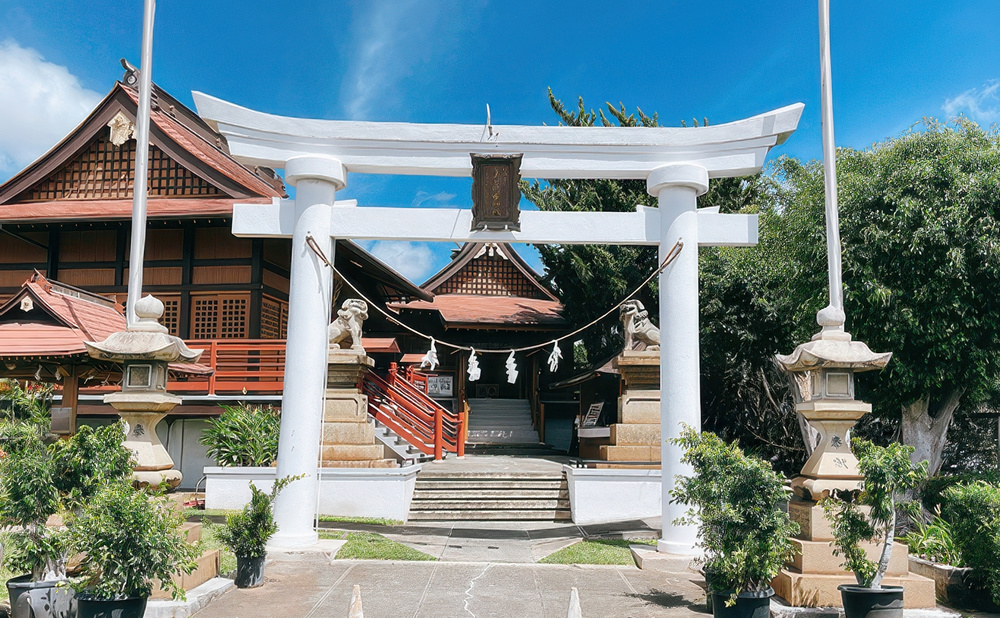
Hawaii Kotohira Jinsha & Hawaii Dazaifu Tenmangu are essential stops for anyone exploring the shrines of Hawaii.
In fact, the same grounds also house Shirasaki Hachimangu from Iwakuni City in Yamaguchi Prefecture, Otaki Jinja from Otake City in Hiroshima, Suitengu from Kurume City in Fukuoka, Inari Jinja from Kyoto Prefecture, and Watatsumi Jinja from Tokushima Prefecture. This makes it a unique location where a total of seven shrines are gathered in one place.
On New Year’s Day, you can enjoy Japanese New Year’s traditions right here in Hawaii, with services like ozoni (a traditional New Year’s soup), taiko drum performances, and purification rituals.
Both Kotohira Jinsha and Dazaifu Tenmangu originate from the Chugoku, Shikoku, and Kyushu regions of Japan. The reason they are in Hawaii is due to the large number of immigrants who came from western Japan.
While visiting a shrine might not be on every traveler’s itinerary, why not try a “shrine tour in Hawaii” for a unique experience?
History of Hawaii Kotohira Jinsha
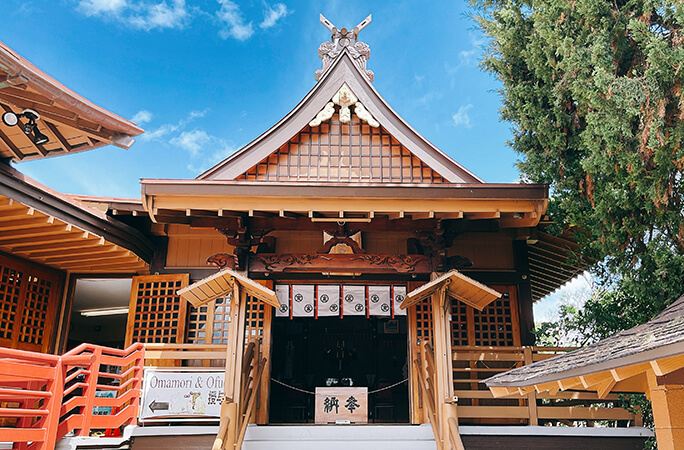
As you pass through the torii gate, the shrine you see in front of you is Kotohira Jinsha.
Many may already know it by its affectionate nickname, “Konpira-san.”
It was established in Hawaii in 1920 as a branch of the shrine in Kotohira, Kagawa Prefecture.
As the deity of fishing and commerce, it is said that many Japanese immigrants visited it as a source of spiritual support.
In 1984, it became a sister shrine to Hawaii Ishizuchi Jinja.
History of Hawaii Dazaifu Tenmangu
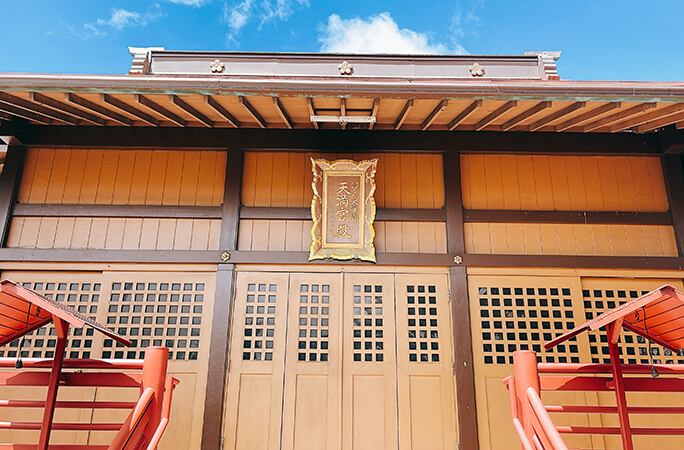
Immediately to your left after passing through the torii gate is Dazaifu Tenmangu.
This shrine was established in 1952 as a branch of the one in Dazaifu, Fukuoka Prefecture.
Since many shrines in Hawaii could not be rebuilt after the war, their deities have been enshrined here together.
With so many shrines gathered around Dazaifu Tenmangu, it is believed to be a place of great blessings.
Goshuin, Omamori, and Shichi-Go-San are also Popular
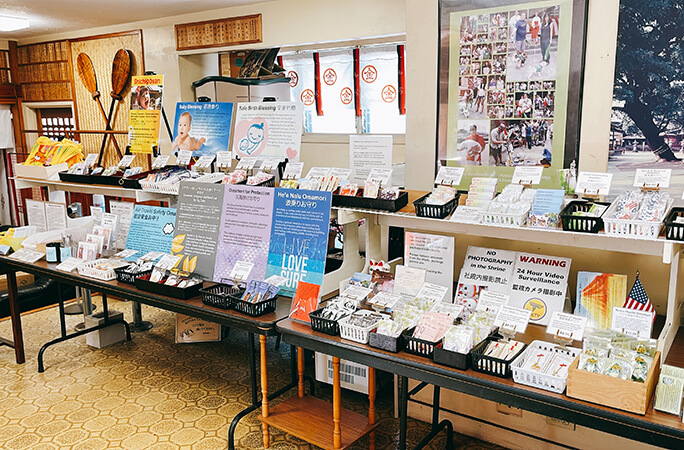
Here, we’ll introduce the available goshuin (shrine stamps), the variety of omamori (amulets), and the popular Shichi-Go-San festival.
There are dozens of types of omamori for blessings such as health, academic success, protection from evil, traffic safety, and good relationships, which is a considerable number compared to other shrines.
While some are the same types you would find in Japan, the uniquely Hawaiian amulets featuring designs like hibiscus and honu (sea turtles) are especially popular.
Similarly, there are several types of goshuin available, so you might have a hard time choosing which one to get!
In addition, they offer ofuda (talismans), kumade (decorative rakes), maneki-neko (beckoning cats), and omikuji (fortunes), making it feel even more well-stocked than some shrines in Japan.
And, you can also receive blessings for Shichi-Go-San, a ceremony that is offered at very few places in Hawaii.
The event typically runs for about a month, from late October to late November, and they even offer kimono rental and dressing services!
Basic Information for Hawaii Kotohira Jinsha & Hawaii Dazaifu Tenmangu
| Name | Hawaii Kotohira Jinsha & Hawaii Dazaifu Tenmangu |
| Address | 1239 Olomea St, Honolulu, HI 96817-3343 |
| Map | |
| Hours | 8:30 AM – 4:00 PM (Special hours during New Year’s) |
| Admission | Free |
| Closed | None |
| Time Required | Approx. 15 minutes |
| Restrooms | None |
| Parking | Available (Free) |
Recommended Transportation to Hawaii Kotohira Jinsha & Hawaii Dazaifu Tenmangu
TheBus – The Most Affordable Public Transportation Covering All of Hawaii
Taxis & Uber – Ideal Chartered Vehicles for Small Groups in Hawaii
Areas Around Hawaii Kotohira Jinsha & Hawaii Dazaifu Tenmangu
The Complete Guide to Popular Tourist Spots in Honolulu, Oahu